


|

The Ukrainian President Viktor Yanukovychto inaugurated the new terminal extension at the existing Kharkov International Airport near the eastern Ukrainian city of Kharkov on the 28th of November 2010, in saying
“This is the big step forward as Euro-2012 championship provides Ukraine with great opportunities. This newly built terminal is a good example of how to attract investments into the country’s infrastructure reconstruction,”

Thus referring to the great accomplishments which were able to be made with Airport Research Center’s (ARC) modular pallet, offering investors a cost efficient yet high quality terminal building. Cost efficient with regards to low investment cost. High quality with regards to functionality and design. Resulting in a Low Cost High Quality (LCHQ) terminal.
The idea behind it all:
- Representative terminal design
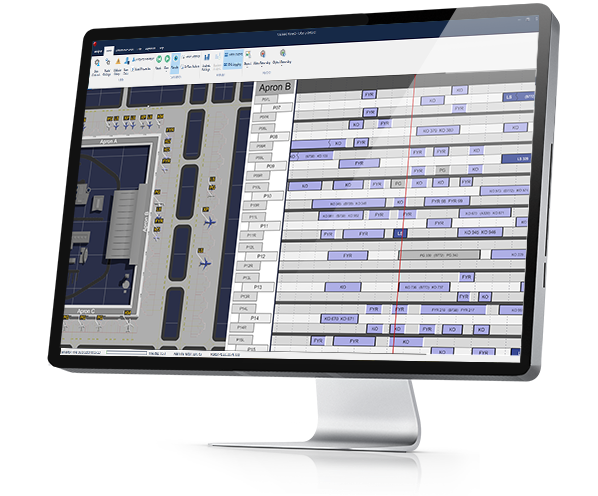
- High functionality due to CAST simulation aided planning processes
- Balance between retail and operations = sustainable revenues
- Cost-effective construction
- Modular thus expandable

The new terminal extension in Kharkov was designed to handle a passenger peak volume of 600 Pax/h, consisting of 400 international and 200 domestic passengers. A second terminal building, which shall be built at a later stage, will be added through a similar construction. Accommodating a further combined passenger volume peak of up to 1200 Pax/h and comprising of 800 international and 400 domestic passengers.
Construction of the new terminal in Kharkov was accomplished employing local companies and products, and realised in close conjunction with qualified local engineers and architects. Optimising the terminal layout throughout all design phases via Airport Research Center’s CAST Terminal simulation software.
Airport Research Center’s modular pallet is not only used to optimise the functional aspects and planning phases of any proposed terminal, but offers a terminal that is sustainable in its design and in its functional layout. Being able to choose between all modules, or combination of modules, to create any desired terminal whilst keeping all relevant design and financial issues in mind. Furthermore, module architecture allows individual and flexible terminal extension in any given environment without changing the initial architectural and functional concepts of the terminal. Modular architecture is capable of growing with future terminal requirements, which result through higher passenger numbers.
The shape of the terminal building can be boundless. Later addition of any extension can be made without great difficulty, bound only by existing constructions and local regulations.
Module architecture also reduces investment cost as all components are known and agreed upon prior to construction begin. Presenting the client, at all times, with an up-to-date construction costs estimate for his specific terminal.
Casing
Individual design at reasonable pricing

In modern Terminal buildings, the exterior walls are often made of aluminium or stainless steel structures, either as structural composite wall panels with a limited percentage, if any, of window area, a combination of a structural composite wall with a somewhat greater amount on window area and finally, curtain wall structures. All three construction types offer different advantages and can also be combined to create exactly that terminal building which is needed and aspired by investors.
Structure
Flexible layout, rapid construction.
There are two main structural framework groups; space frame structures and simple framework structures. Although a combination of both structural frameworks is also possible and sometimes favourable depending on the intended layout and terminal design. An accurately-made steel frame structure is not only the quickest method to construct a terminal building, but also allows for a high level of flexibility in design and functionality as well as reducing construction time, hence overall construction costs, which in turn results in a cost efficient terminal building, which is of high importance for both airports and investors alike.
Simulation
Validation of Design and Functionality

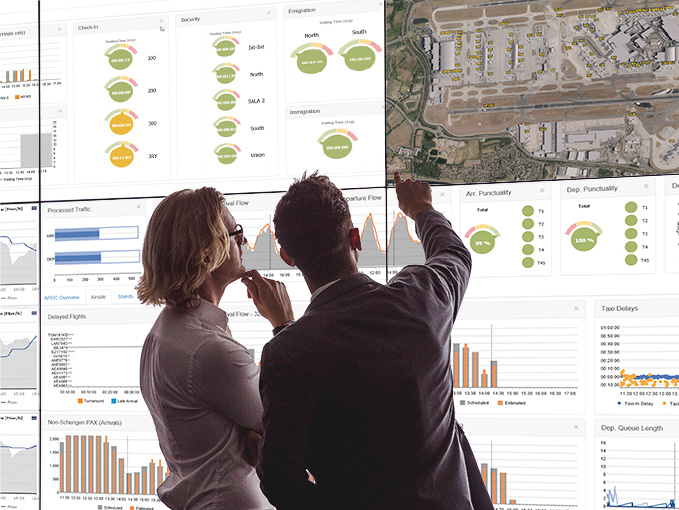
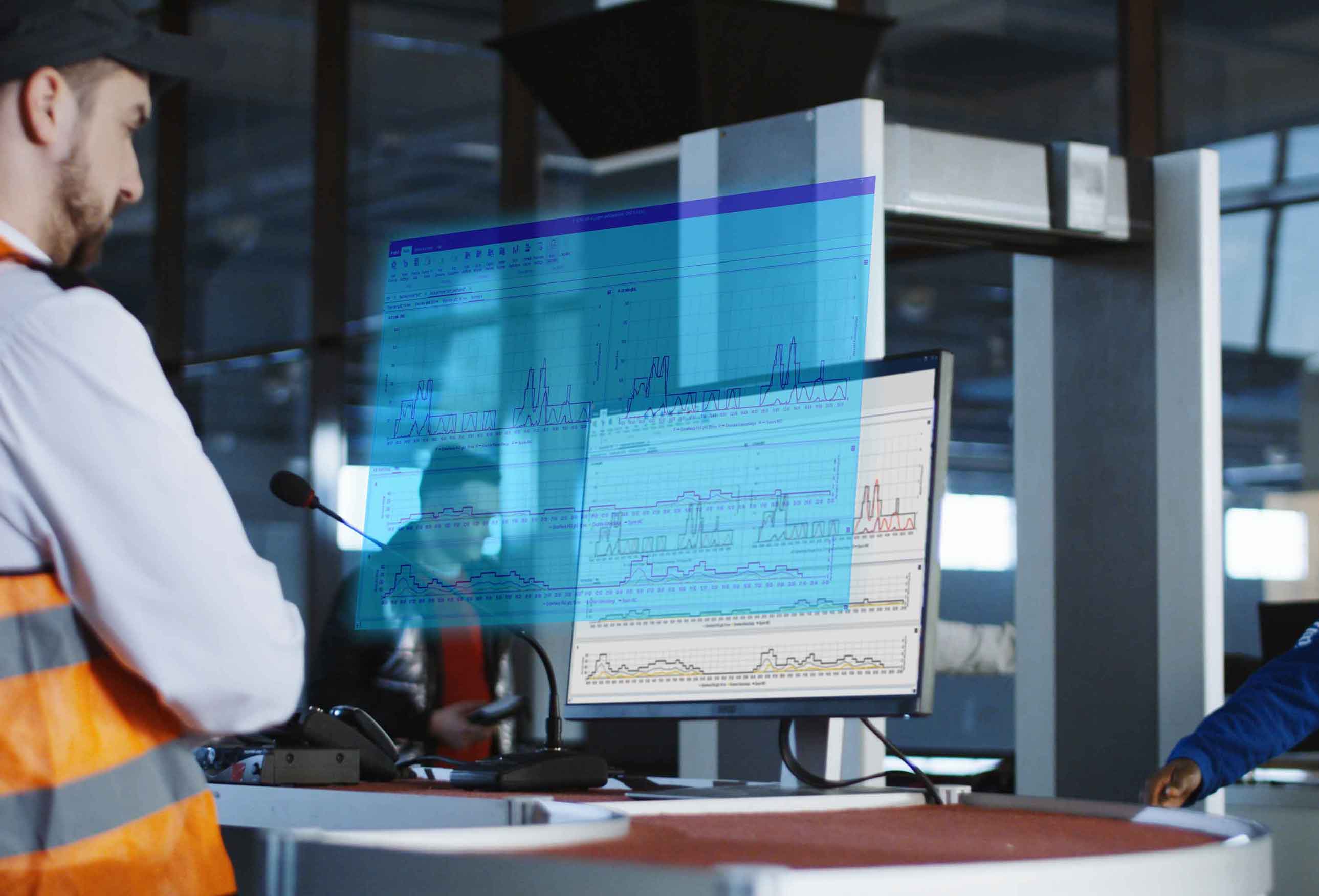
To be capable to ensure that the terminal functions at its desired “Level of Service”, Airport Research Center utilises CAST Terminal simulation software to validate the terminal design in all planning phases. Consequently being able to provide a fine-tuned terminal building which is not only from an architectural point of view attractive but most important, the functional side of the airport is fully optimised and validated. Terminal simulation and consequently validated design of a terminal building is capable to ensure that construction costs, planning costs and operational costs are reduced, thus presenting investors with calculable costs over the entire planning and construction phases up to, and beyond, the point where the terminal is put into operation.
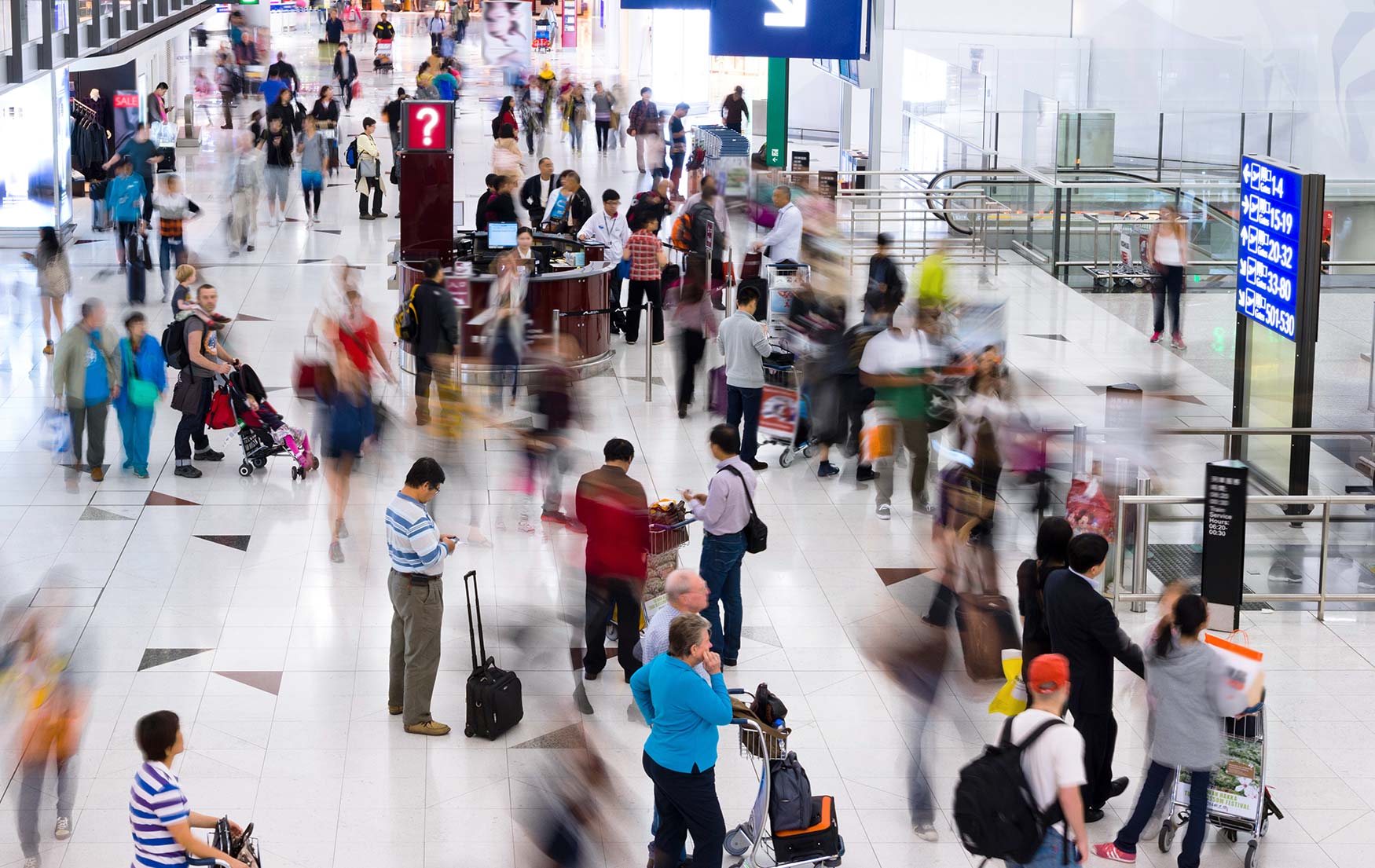
Optimising passenger handling in all relevant passenger and baggage processes results in passengers experiencing a lower stress level and are therefore more inclined to spend money in the retail or F&B areas. This in turn means higher retail revenues for NA (non-Aviation) thus making the airport interesting for companies which would then lease commercial spaces in the terminal building. Consequently, the airport will also have a stable revenue source out of any leasing contracts.
Costs
Costs for a LCHQ terminal building are given in €/sqm GFA (gross floor area), and lie between 1200€/sqm GFA and 1600€/ sqm GFA. Although these costs may vary due to the assembly of different modular groups and extra wishes, the mentioned cost gives the client a quick and accurate insight of the needed investments to build the desired terminal building.
Accurate cost estimates is vital for both investors and airport management, allowing both to get the maximum out of their terminal building whilst insuring a high level of passenger comfort and satisfaction and more important making their terminal a place to be and want to return. As the case is with the new terminal in Kharkov and its timely completion, due to all relevant measures, ensuring a sustainable and affordable terminal which is now eagerly awaiting the Euro 2012 football competition to kick off.
For more information about the "Low Cost High Quality Terminal" don't hesitate to contact us.

|